Start with a week, not a number
A capsule wardrobe should make getting dressed easier. It does not need to contain a prescribed number of pieces or restrict you to beige. Think about a normal week: commuting, working, errands, social plans, and the time you spend at home. List the clothes you actually reach for in those settings. A small wardrobe becomes useful when its pieces support those days. The starting point is your life, including the parts that rarely appear in an outfit photograph.
Find the combinations already working
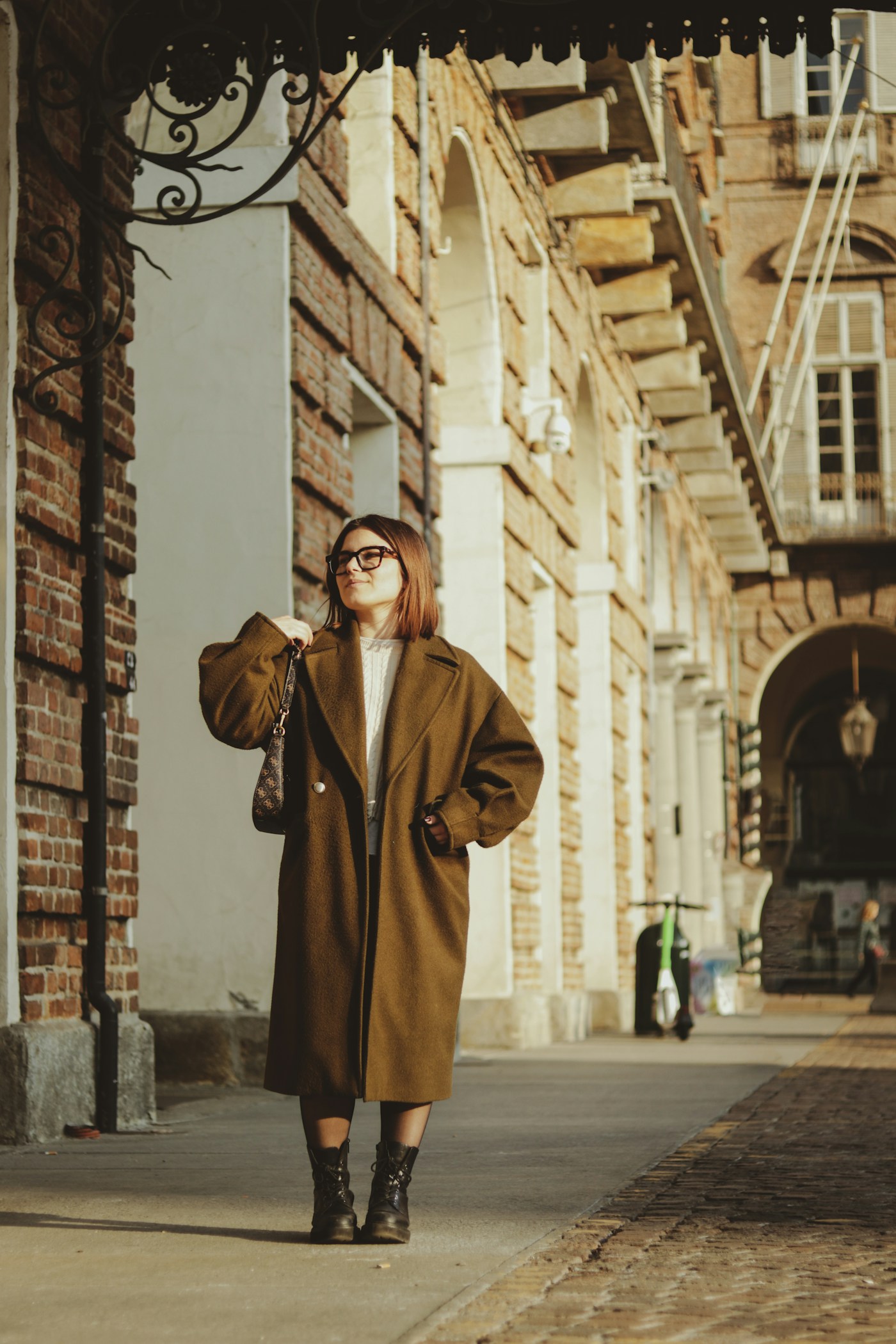
Choose three outfits you have worn comfortably and lay them out. Notice the shared shapes, colors, and shoes. A pair of dark pants might work with a knit, a shirt, and a relaxed jacket; a skirt might be the piece that makes you feel most like yourself. Keep those preferences visible. Before removing anything, ask whether it serves a different weather condition or occasion. Familiar combinations are evidence you can use, not a reason to stop experimenting.
Leave a place for the expressive piece
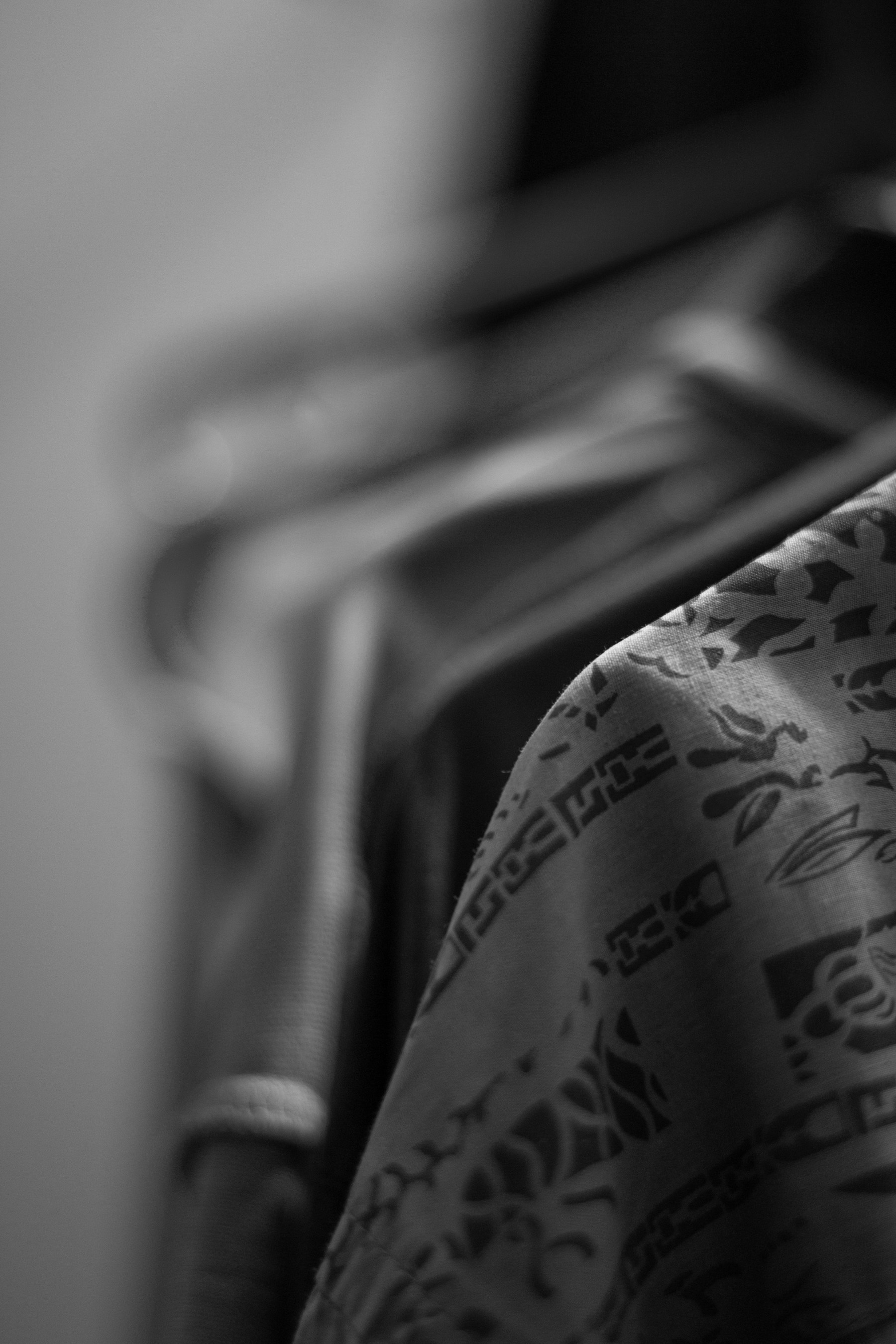
A printed shirt, an unusual bag, or a brighter knit can belong in a capsule wardrobe if you enjoy wearing it. Try it with two combinations from the group before deciding it is an exception. You might repeat a color from its pattern or let it stand alone beside simpler clothes. The point is to create connections. When every item must disappear into a neutral background, the wardrobe may be tidy but less inviting to wear.
Test before filling a gap
Use the edited group for a week, without immediately shopping for missing pieces. Note the mornings that felt easy and the plans that were difficult to dress for. Separate an actual gap from a wish prompted by a photograph. If you need an addition, define its job, fit, and care requirements before browsing. A useful capsule develops through wearing and adjusting. Its best version gives you fewer decisions to make and more confidence in the choices you keep.
Published by Spee24. Our editorial approach.
Explore Fashion