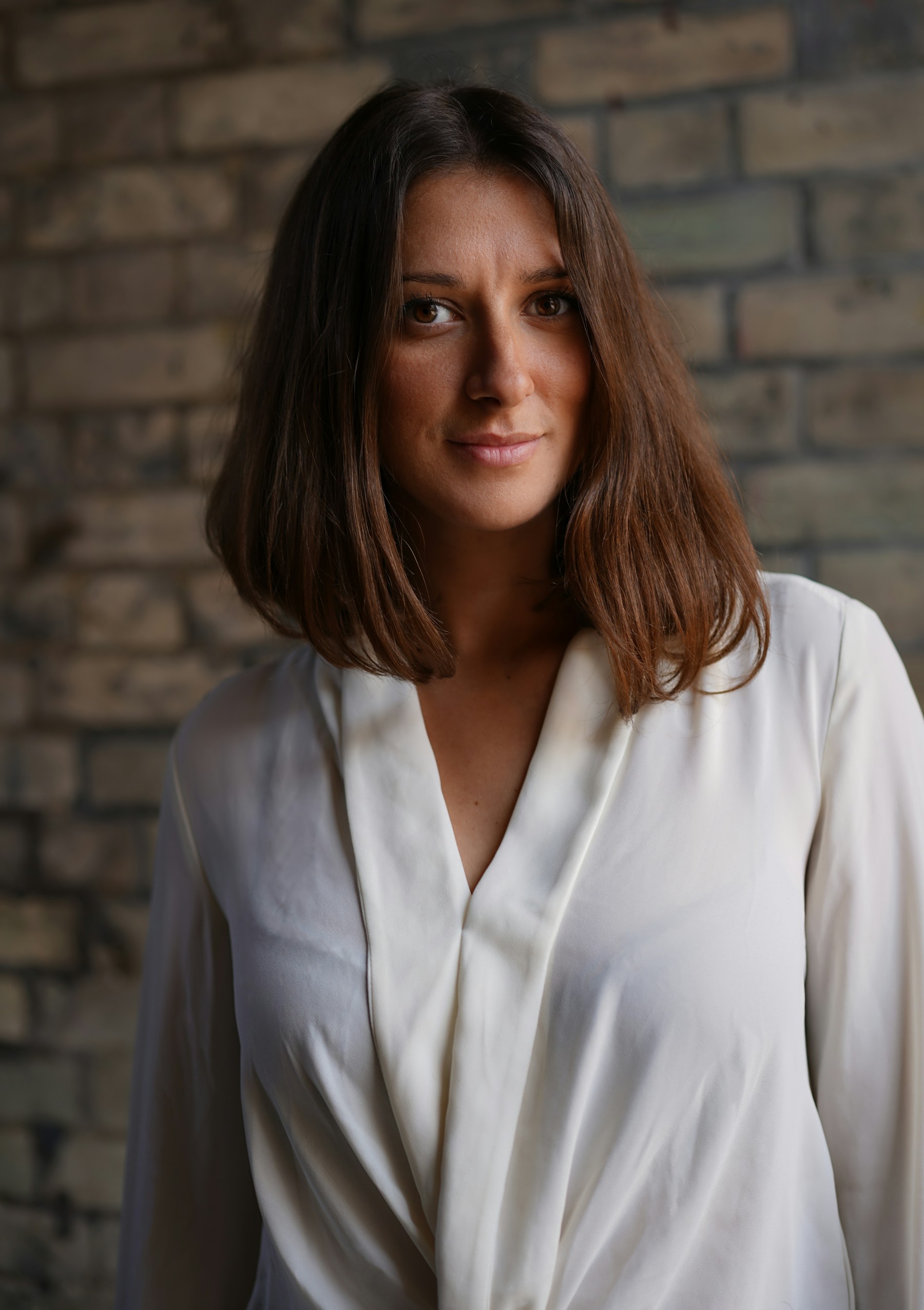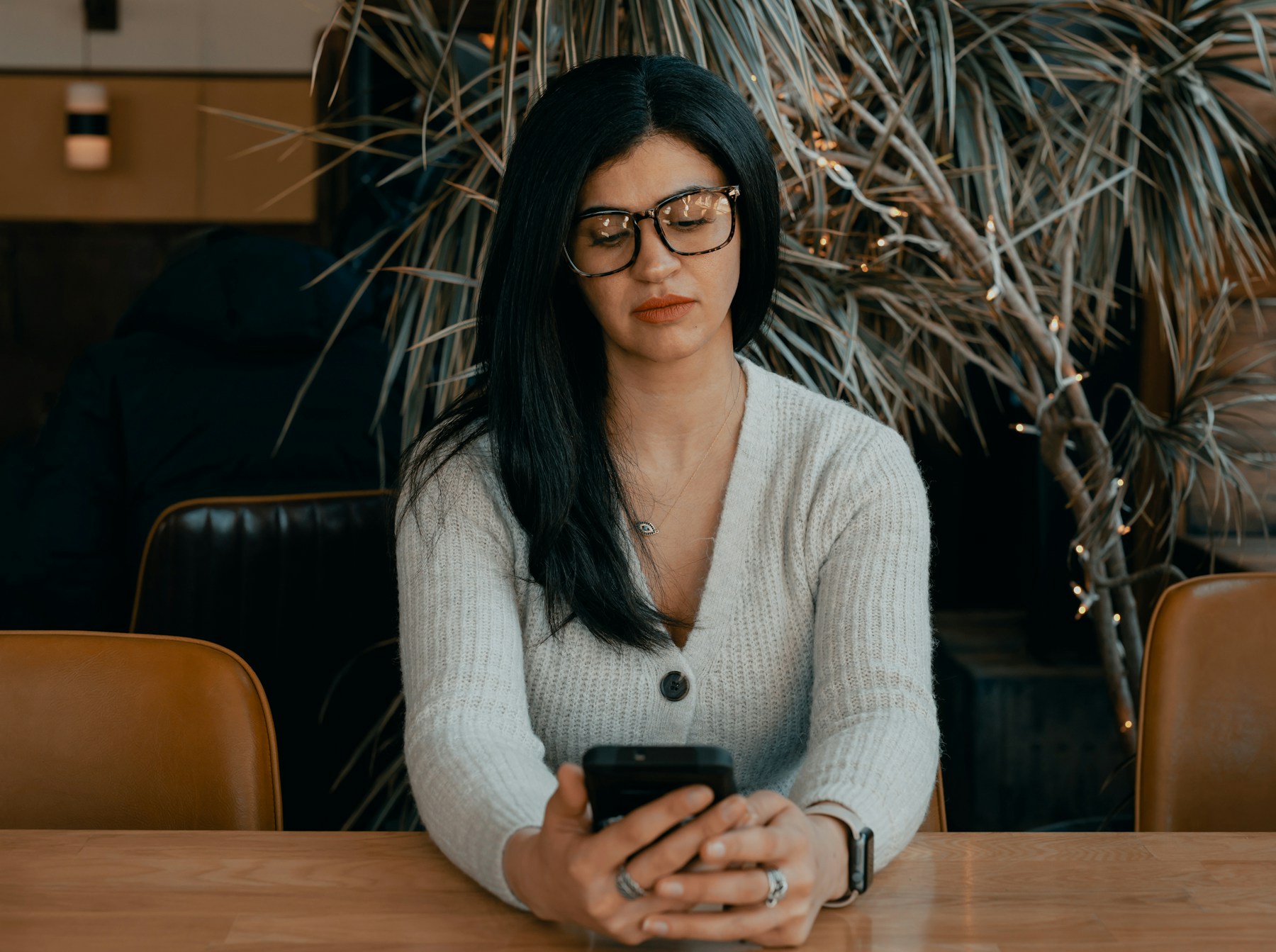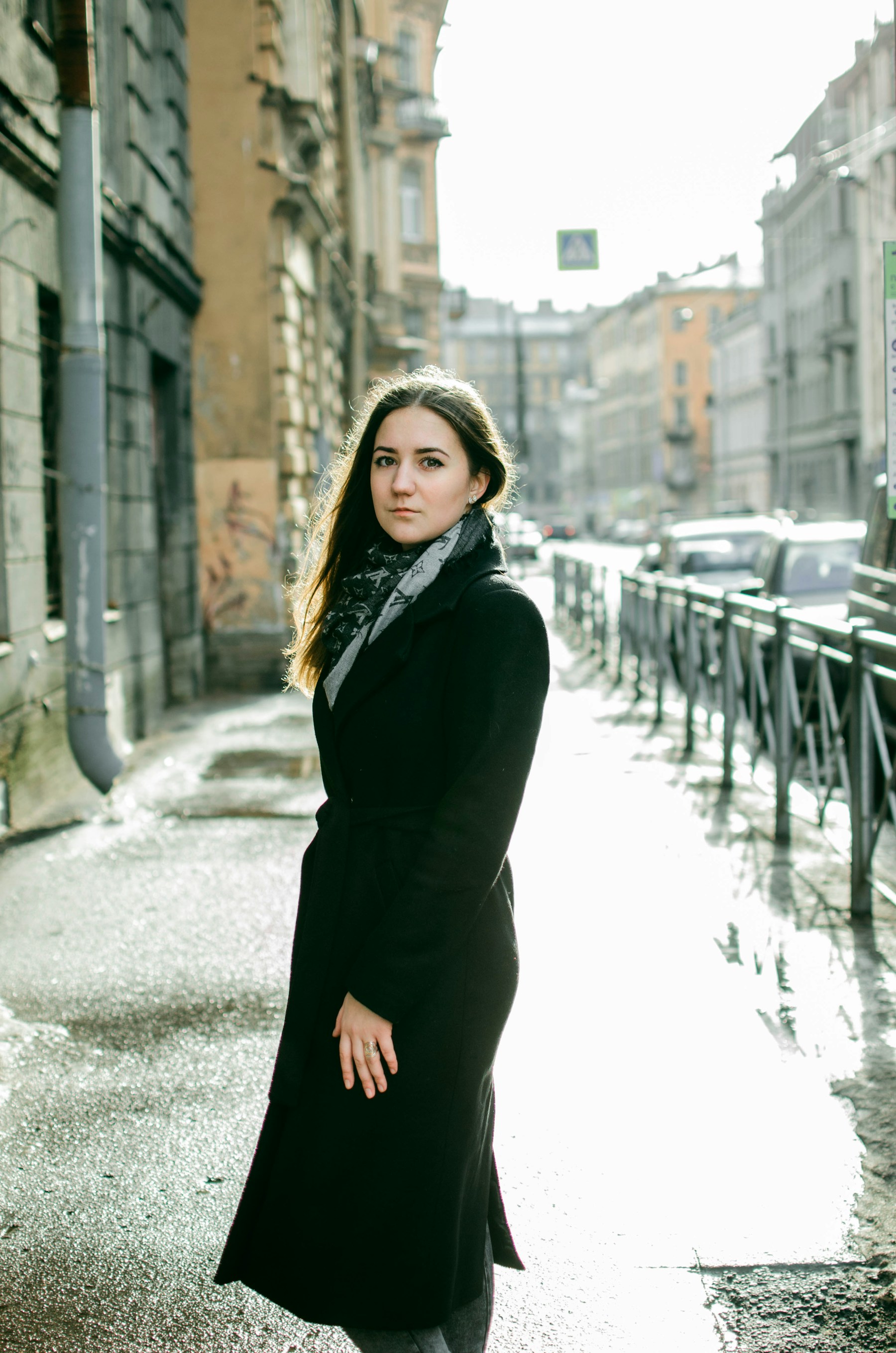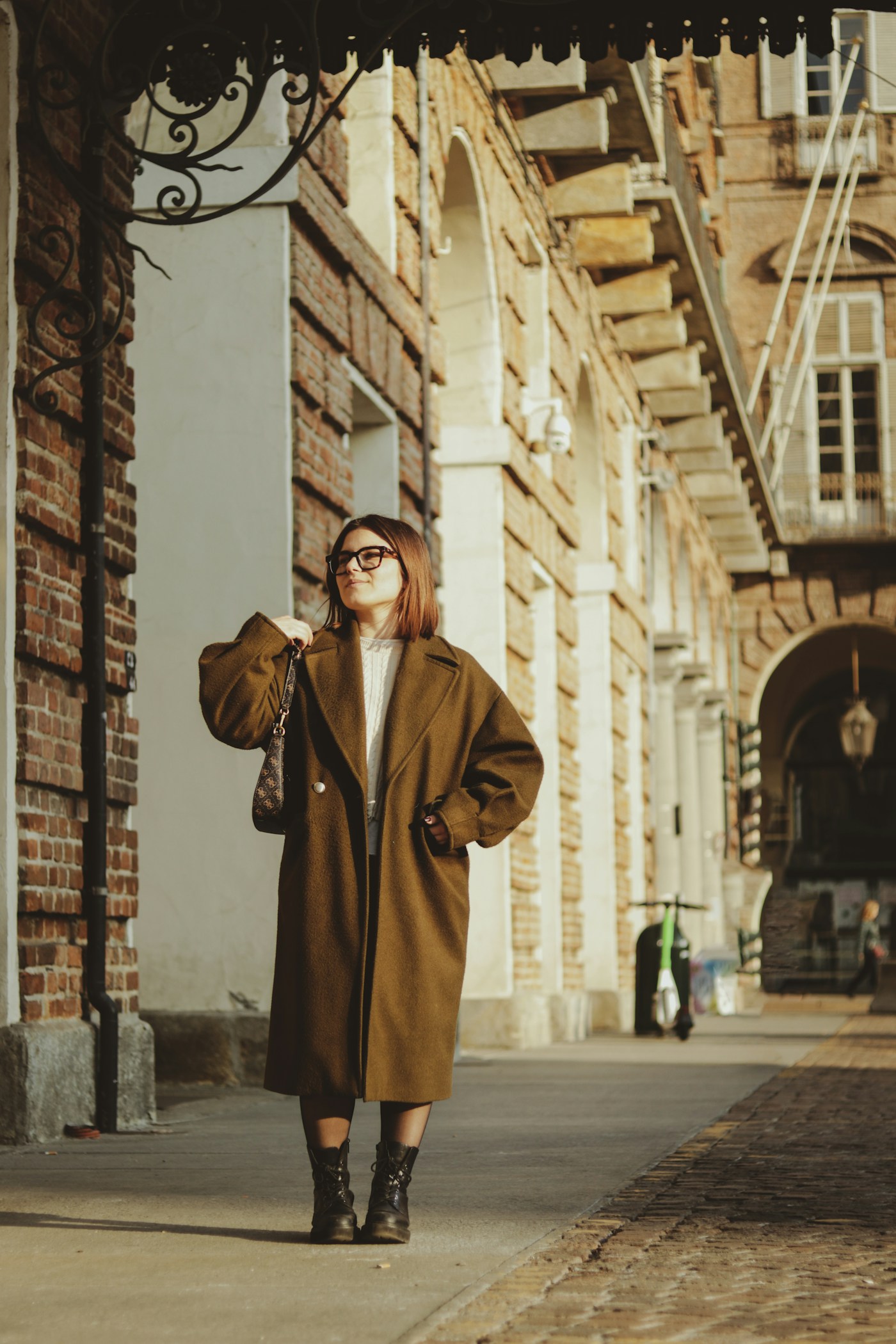
Start with the day you actually have
The outfit is nearly right, but something feels unfinished. Before changing everything, look at the relationship between your layers.
The most useful outfit begins with your calendar, the weather, and how you want to move. A beautiful coat is only a good choice if it works with the layers underneath. Before adding anything new, put together one outfit for an ordinary day: the commute, a coffee stop, and wherever the evening takes you.
Let proportion do the work
Try a longer coat with a simple, close-fitting base, or balance a roomy jacket with straight-leg trousers. The goal is a silhouette you enjoy wearing. Adjust the length of a sleeve, tuck part of a shirt, or change the shoe before deciding that the whole outfit needs replacing.
Choose one point of contrast
A soft knit against structured denim. A relaxed T-shirt under tailoring. A warm brown coat with a black bag. One contrast gives the outfit interest without requiring every piece to compete for attention.
Repeat what feels like you
Personal style often comes from repetition. Keep a photograph of combinations that work, and change one detail when you wear them again. A different scarf, a brighter lip, or another pair of shoes can make familiar clothes feel considered.
Build slowly
Look for the gap in your existing wardrobe before you shop. Check measurements, materials, care instructions, and return terms. A piece earns its place when you can imagine wearing it with several things you already own.
An outfit notebook you can actually use
Save a few photographs of outfits you wore comfortably, with a note about the weather and the occasion. The point is to remember what worked rather than document everything. When a day feels similar, you can return to one of those combinations and change a small detail. Over time, you may notice that certain shapes or colors keep appearing. Those preferences are useful information when you decide whether a new piece belongs in your wardrobe.
Try the clothes in motion
Spend a moment walking, reaching, and sitting before you leave. A waistband that feels fine in front of the mirror may behave differently in a chair, and a sleeve can catch under outerwear. These small checks help you enjoy the outfit through the day. Personal style includes how clothes feel and how they support what you do. The most considered combination is one you can stop adjusting once you have put it on.
The five-minute outfit experiment
Keep the same pants and top, then photograph the outfit with two different outer layers. Compare the collar, sleeve length, and line of the hem. Choose the version that fits your actual plans, and save the other for another day. A useful outfit reference comes from clothes you have worn, rather than a shopping list.
Published by Spee24. Our editorial approach.
Explore Fashion