List the afternoon’s real needs
A small bag makes you negotiate with the day before you leave. The useful edit begins with your route rather than the bag’s photograph.
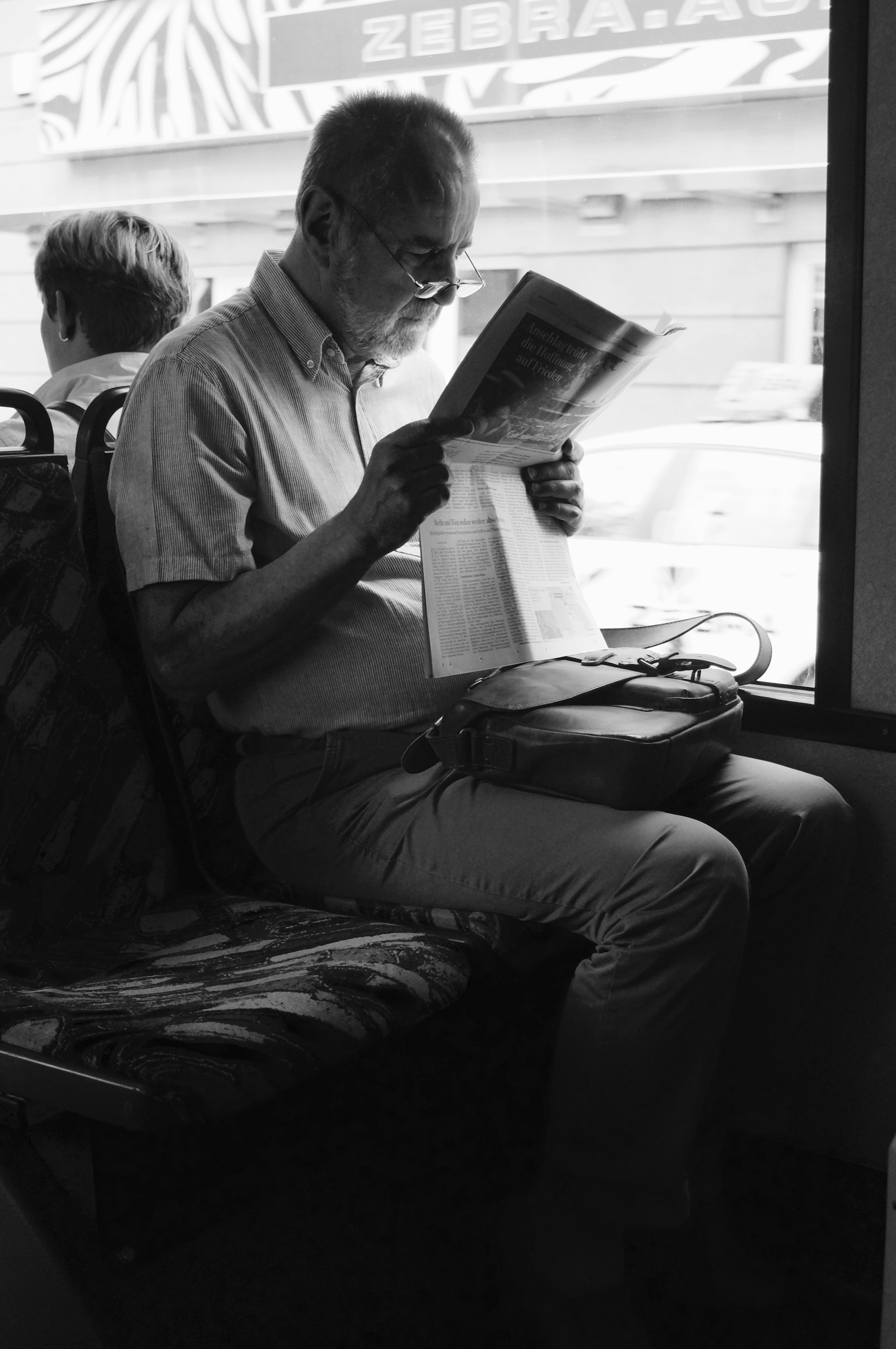
Think about your route, transport, and likely stops before choosing the bag. Keys, a phone, a wallet, and a few personal necessities may be enough for one outing; another day may require more. Check that the bag closes comfortably with those items inside. A size that looks good empty can become awkward once filled. The right choice is not automatically the smallest one. It is the one you can carry easily while keeping your useful things accessible.
Give the important items fixed places
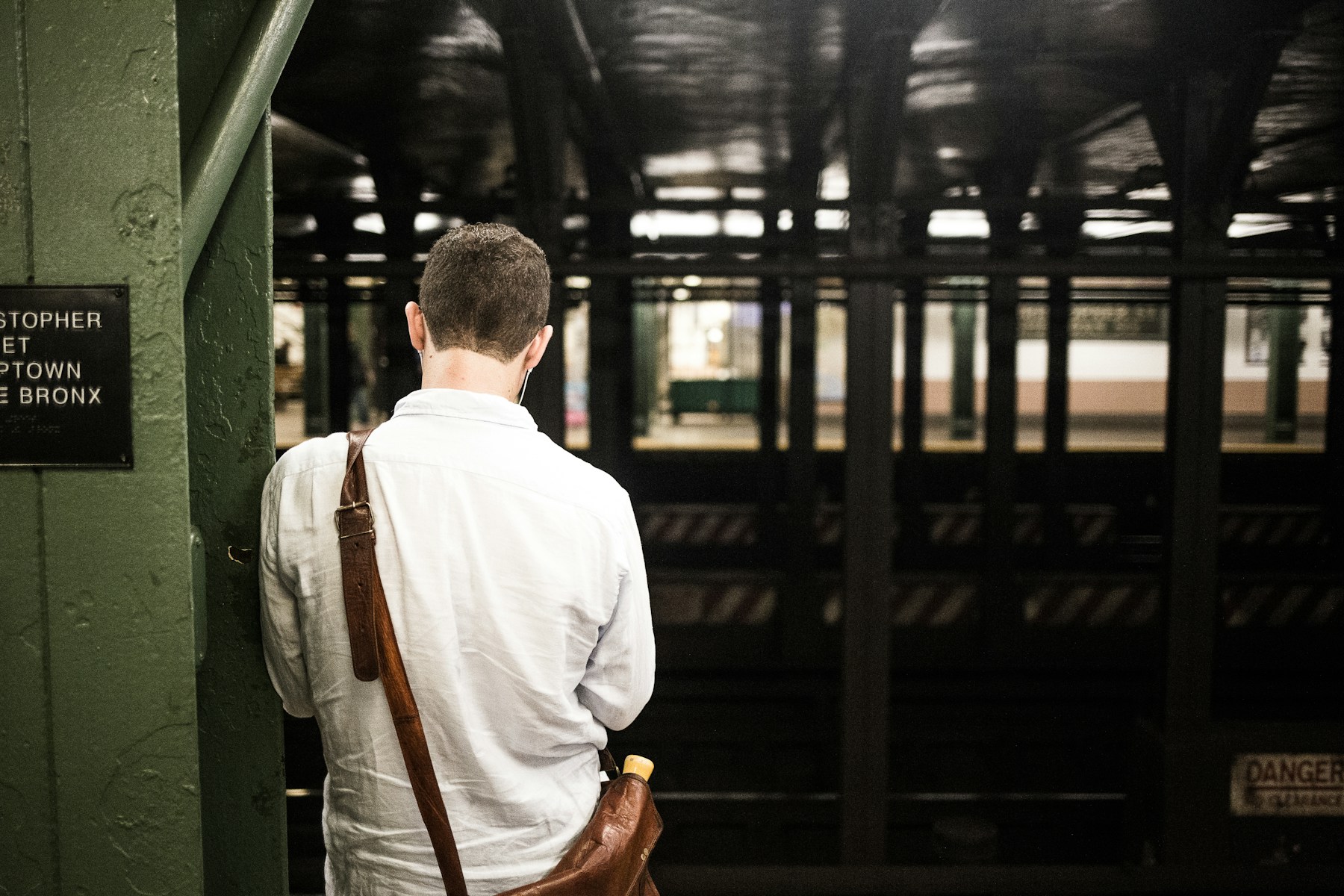
Use a pocket or small pouch to stop the contents becoming a search exercise at every doorway. Choose a place for the item you reach for most often and test whether you can retrieve it while wearing the bag. Consider how the strap sits over a jacket and whether the fastening works with one hand. Those details become visible through use. A bag can be beautiful in a photograph and still fail the rhythm of the day if every opening requires rearrangement.
Reset it when you come home
Remove receipts and items you no longer need, and return the bag to a simple starting state. This brief reset makes the next outing easier and helps you notice what was useful. If an item stayed untouched for several outings, reconsider whether it belongs in the daily bag. Keep occasional necessities available elsewhere rather than treating them as permanent cargo. A considered bag is an evolving arrangement. Its contents change with your life, while the basic habit keeps it ready.
Pack the real afternoon
Set out what you need for your transport, payment, communication, and any personal essentials. Check that the bag closes comfortably and that the strap works over your clothes. Leave optional extras only when you can manage without them. If the day needs more capacity, let the bag choice change.
Published by Spee24. Our editorial approach.
Explore Lifestyle