Two colors, different moods
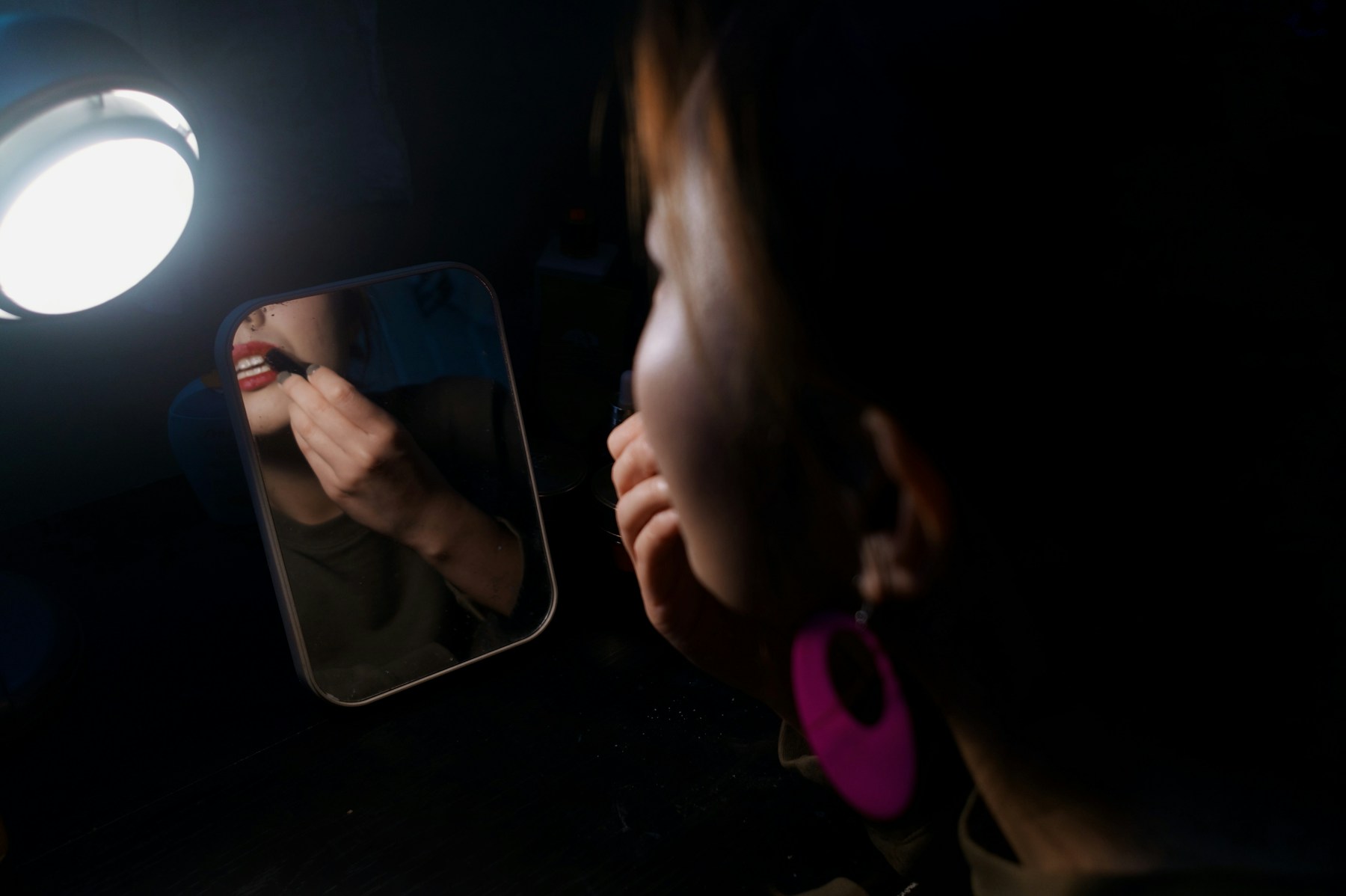
A pink lip beside an olive collar has a different mood from a rosy knit beside a bright green bag. The pairing changes when you change its proportions.
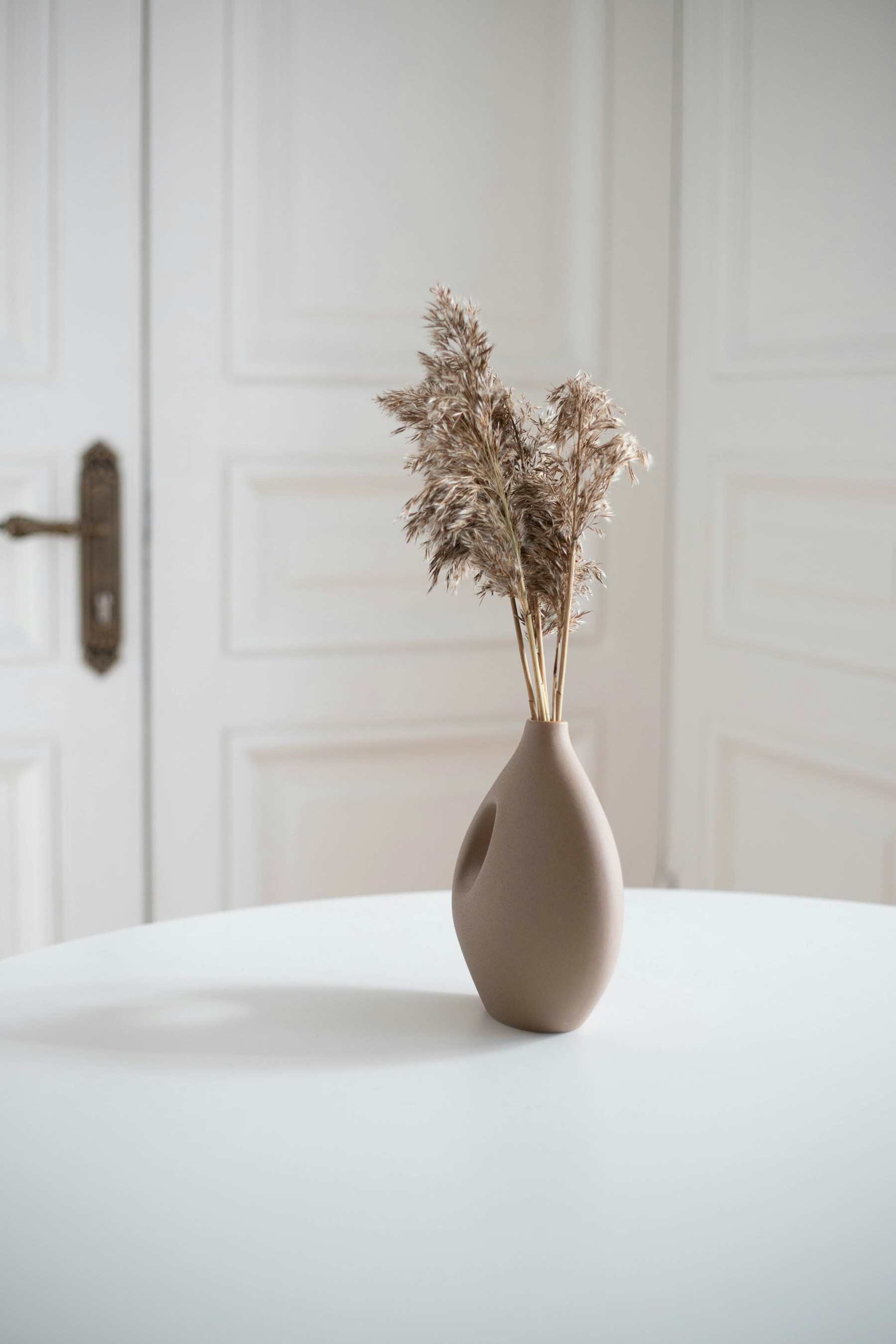
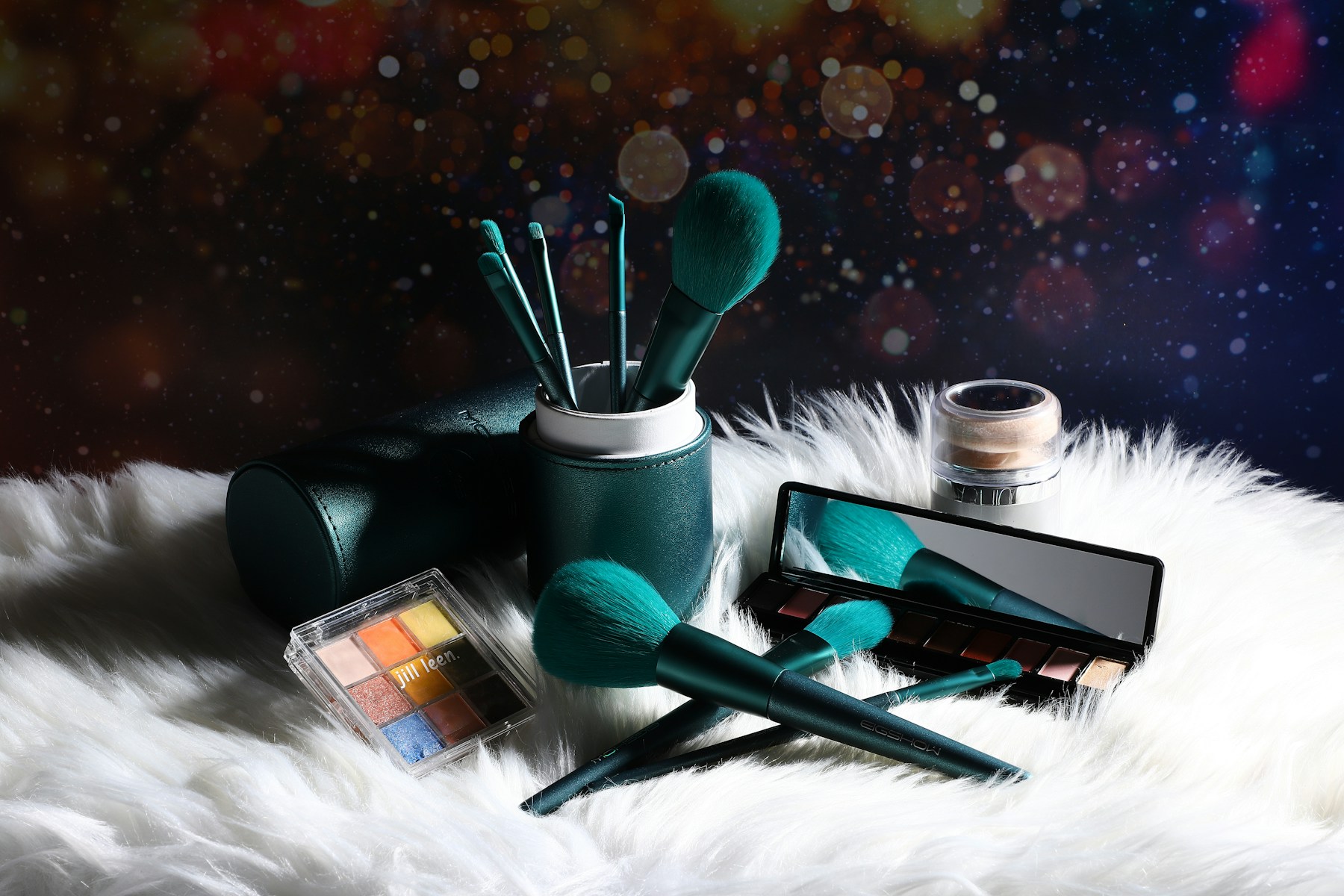
Rose and green can meet in many ways: a muted pink beside deep olive, a pale rose beside a bright leaf shade, or a burgundy detail against soft sage. Begin by placing two objects together and noticing the relationship. Our color notebook is an invitation to experiment rather than a seasonal product recommendation. You may prefer the pairing in a scarf and bag, a tabletop arrangement, or a small makeup detail.
Keep the experiment small
If you want to explore the palette through makeup, start with a product you already own and use it according to its directions. Let one color lead while the other appears in the clothes or an accessory. There is no need to build a complete matching look. Observe the combination in the light where you will spend the day and decide whether it feels natural to you. Preference matters more than following an exact palette.
Make a personal color record
Photograph a pairing you enjoy and note what made it work. It may be the difference in depth, the texture of a fabric, or the amount of each color in the frame. Those details are more useful than saving a vague label such as pretty. Return to the pairing in another setting before buying anything for it. A color idea can become part of your taste through attention and use, without becoming another shopping list.
Make a two-color notebook
Gather two things you already own in rose and green tones. Place them beside a neutral background and describe the balance: quiet, sharp, warm, or playful. Try using the smaller color as an accessory or makeup accent. Keep the pairing you enjoy, even if it differs from the first picture you imagined.
Published by Spee24. Our editorial approach.
Explore Beauty