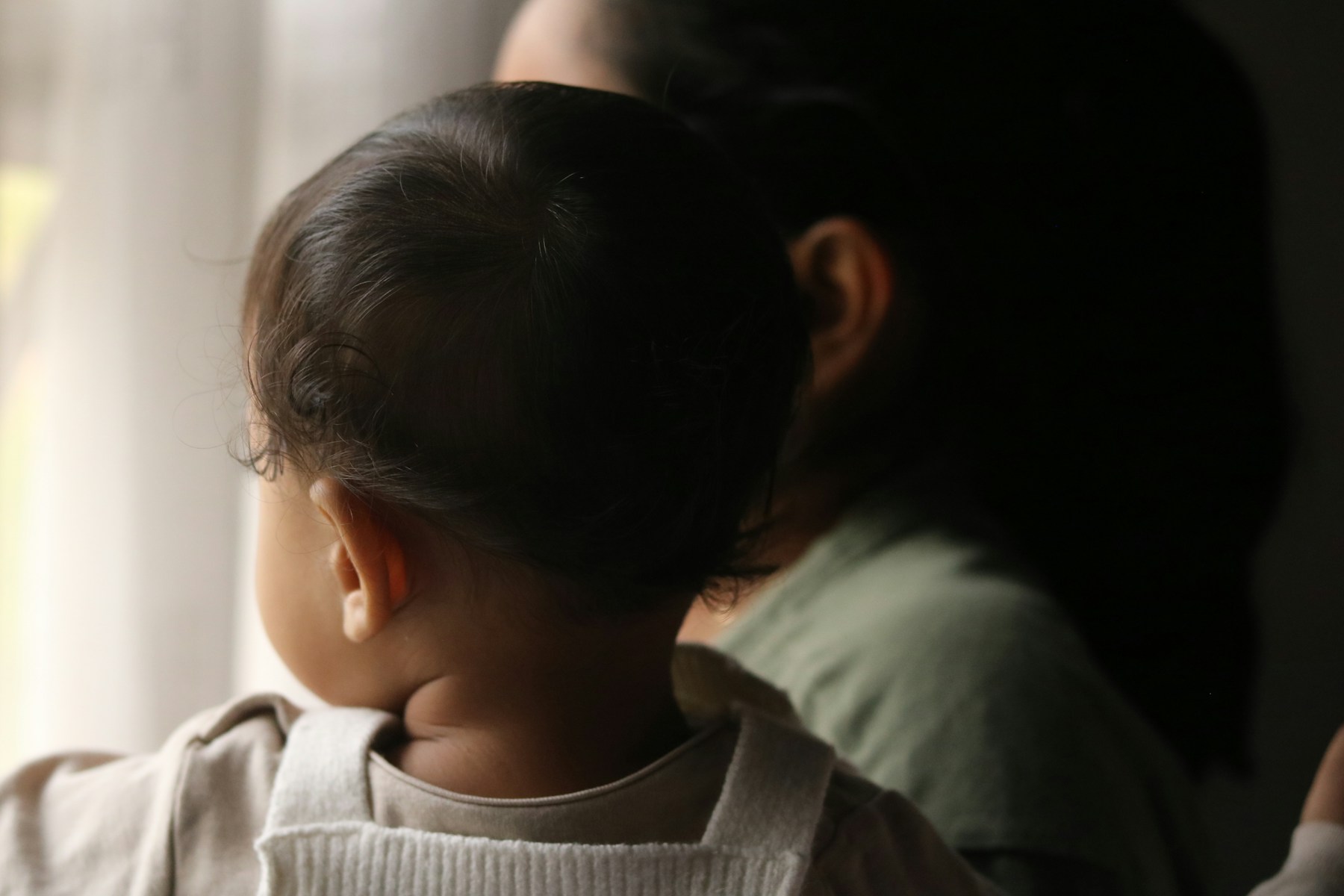
Look beyond the photograph
After a baby arrives, conversations can become entirely about the baby. The mother’s recovery and emotional experience deserve their own time and attention.
The weeks after birth can include physical recovery and emotional changes. Postpartum depression is a health condition, not a judgment about how much someone loves their baby. The Office on Women’s Health distinguishes brief baby blues from persistent or more serious symptoms and explains that treatment can help. Contact a healthcare professional about ongoing sadness, anxiety, or difficulty functioning; ask sooner if symptoms are severe or worrying. You do not have to perform happiness to deserve care.
Make help easier to accept
A useful offer is specific: bring a meal, do a load of laundry, accompany someone to an appointment, or take care of an agreed task. Ask what would help before giving advice. If you are the person receiving support, choose what feels useful and say what does not. Keep a list of questions for your postpartum visit, including emotional concerns. The mother’s experience belongs in the conversation alongside feeding schedules and the baby’s appointments.
Keep a clear route to care
Know whom to contact between appointments and ask what follow-up is available. A trusted person can help make the call or explain what they have noticed, with your permission. If there are thoughts of harming yourself or the baby, get emergency help immediately: in the US, call 911 or go to an emergency department. Practical kindness can support recovery, but it does not replace assessment and treatment when those are needed.
Make one offer practical
If supporting someone, ask whether a meal, an agreed household task, or help arranging an appointment would be useful. If receiving support, name the task that would make the next day easier. Emotional concerns belong in healthcare conversations too. Practical help can accompany clinical care without replacing it.
Published by Spee24. Our editorial approach.
Explore Wellness