Start with timing
When the same difficult days seem to return each month, timing can become a useful clue. A short record helps you describe the experience without explaining it away.
Premenstrual syndrome can include physical and emotional symptoms in the days before a period. The experience varies: one person notices bloating, another feels irritable, and someone else has very few symptoms. The Office on Women’s Health explains that the exact cause is not fully understood. A changing mood is not proof that a particular hormone is too high or too low. Begin with what you actually experience rather than a diagnosis borrowed from a social post.
Write a small, useful record
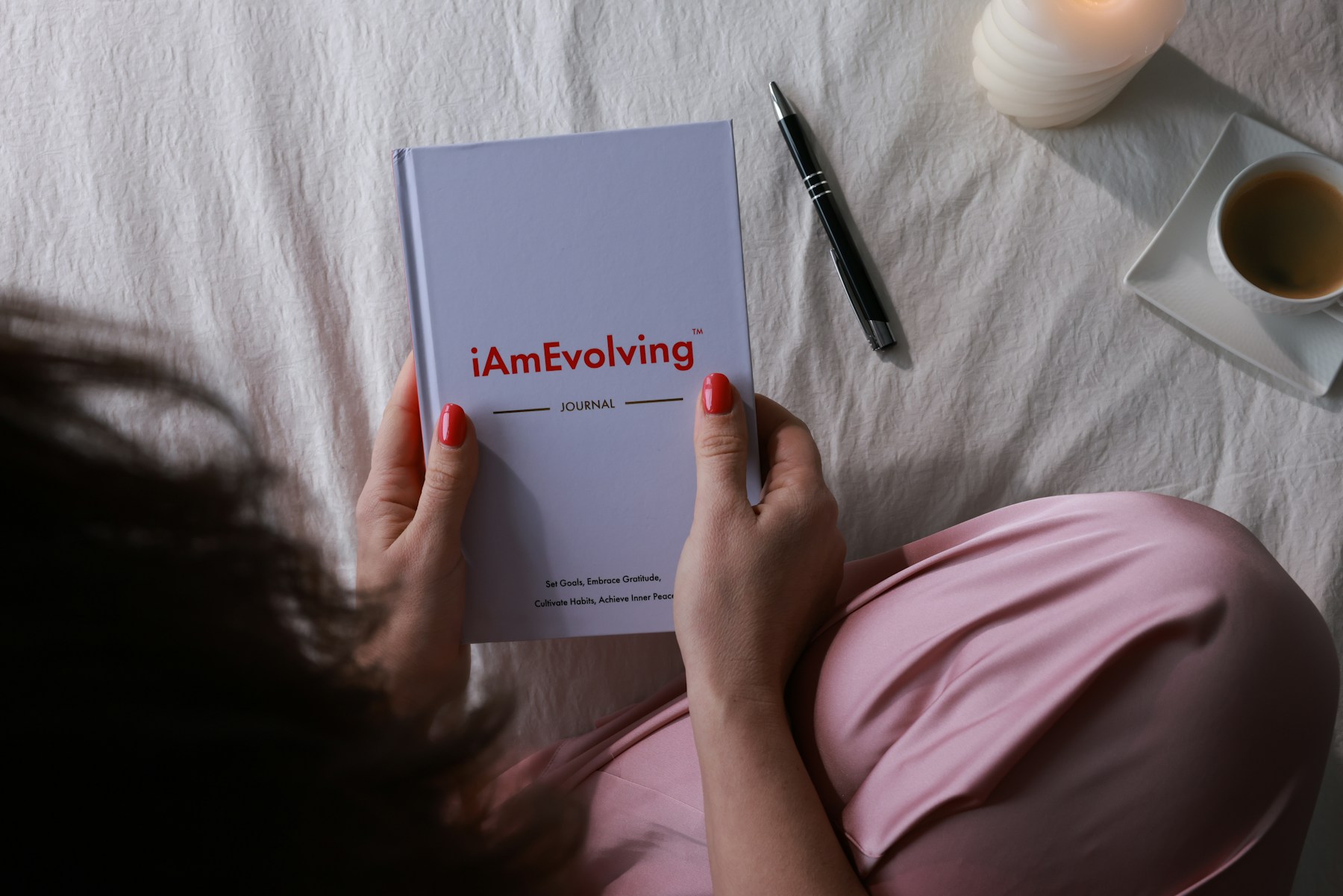
If symptoms recur, keep a simple dated note about their timing and their effect on your day. Describe whether you missed an activity, had trouble concentrating, or needed to change a plan. Leave room for days that felt ordinary too. The notebook is a way to bring clearer information to a conversation; it is not a scorecard for how well you managed your month. Keep sensitive records somewhere private and choose carefully what you share.
Make support specific
Tell a healthcare professional when symptoms interfere with your life or change noticeably. Ask what assessment and care might help in your circumstances. You can also ask someone close to you for a practical favor: a quieter evening, help with a task, or time for an appointment. Avoid buying a hormone-balancing routine before understanding the problem. A useful plan should explain what you are trying, why it is appropriate, and when to review it.
Prepare one clear appointment question
Write down the symptom that most affects your day and what it stops you doing. Add when it happens in relation to bleeding. Bring that note to a clinician and ask what assessment or support might help. You do not need a complete diary or a theory about hormone levels before asking for care.
Published by Spee24. Our editorial approach.
Explore Wellness