Notice what you reach for
The object you touch every morning may reveal more about your taste than the room you saved online. Start with its handle, weight, and place in your day.
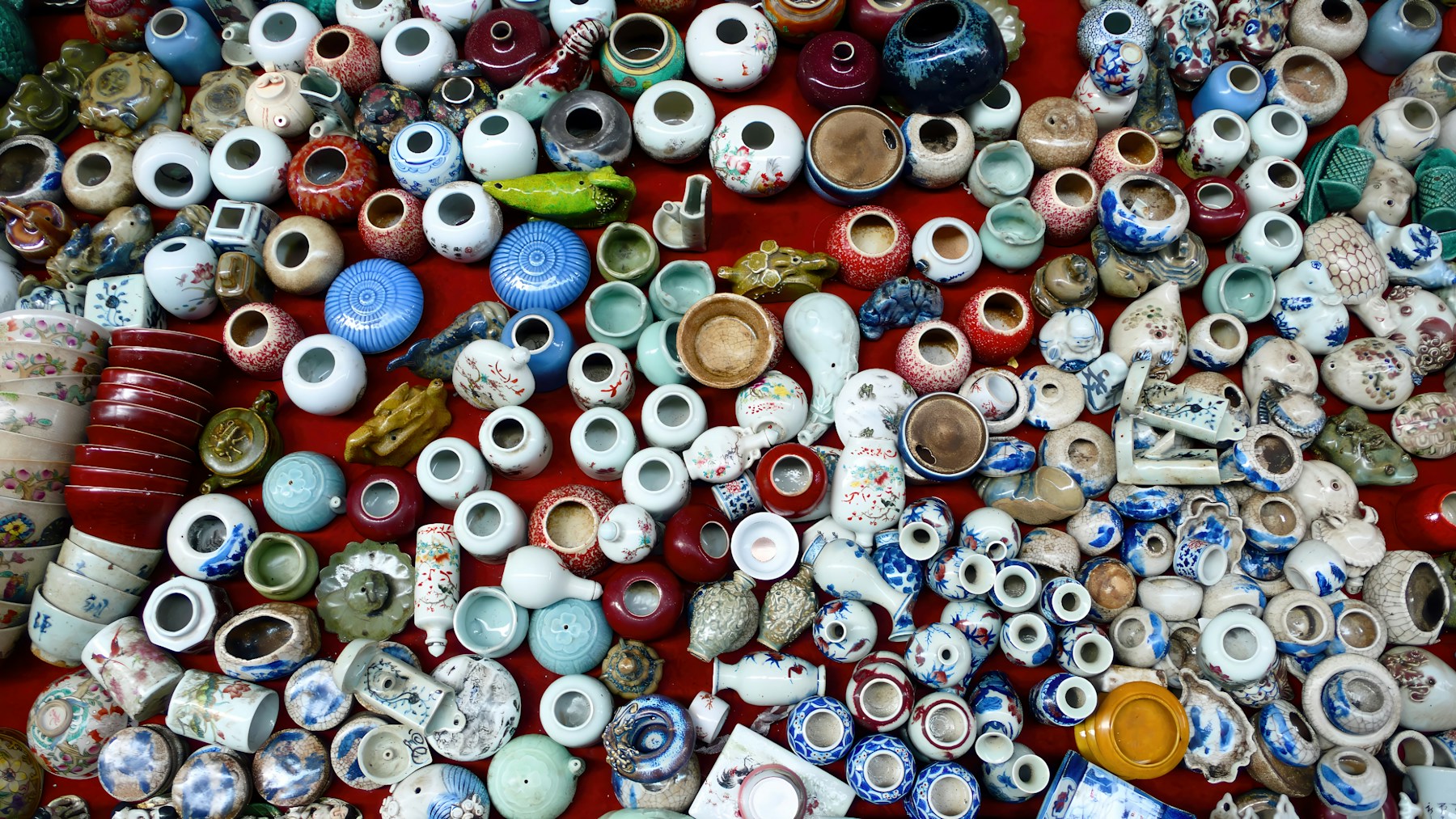
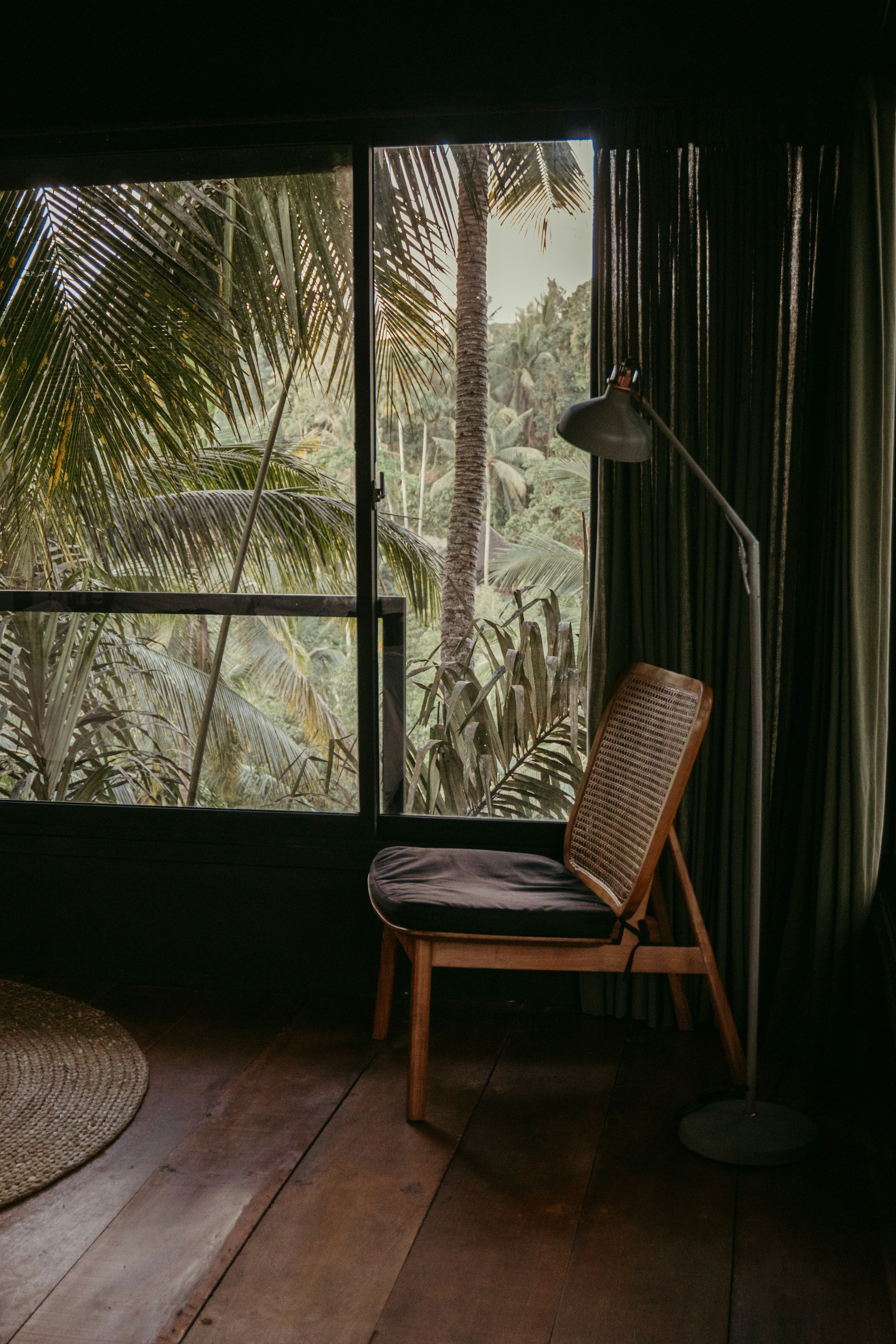
The mug you choose, the chair where you read, and the bag you take out each day all reflect small preferences. Look at their shapes, textures, and colors. What makes them feel good to use?
Look beyond the label
Good design can be practical, playful, modest, or expressive. Examine how an object is made and whether its form serves its purpose. A satisfying detail may be a comfortable handle, a balanced shape, or a material that ages well.
Build your own references
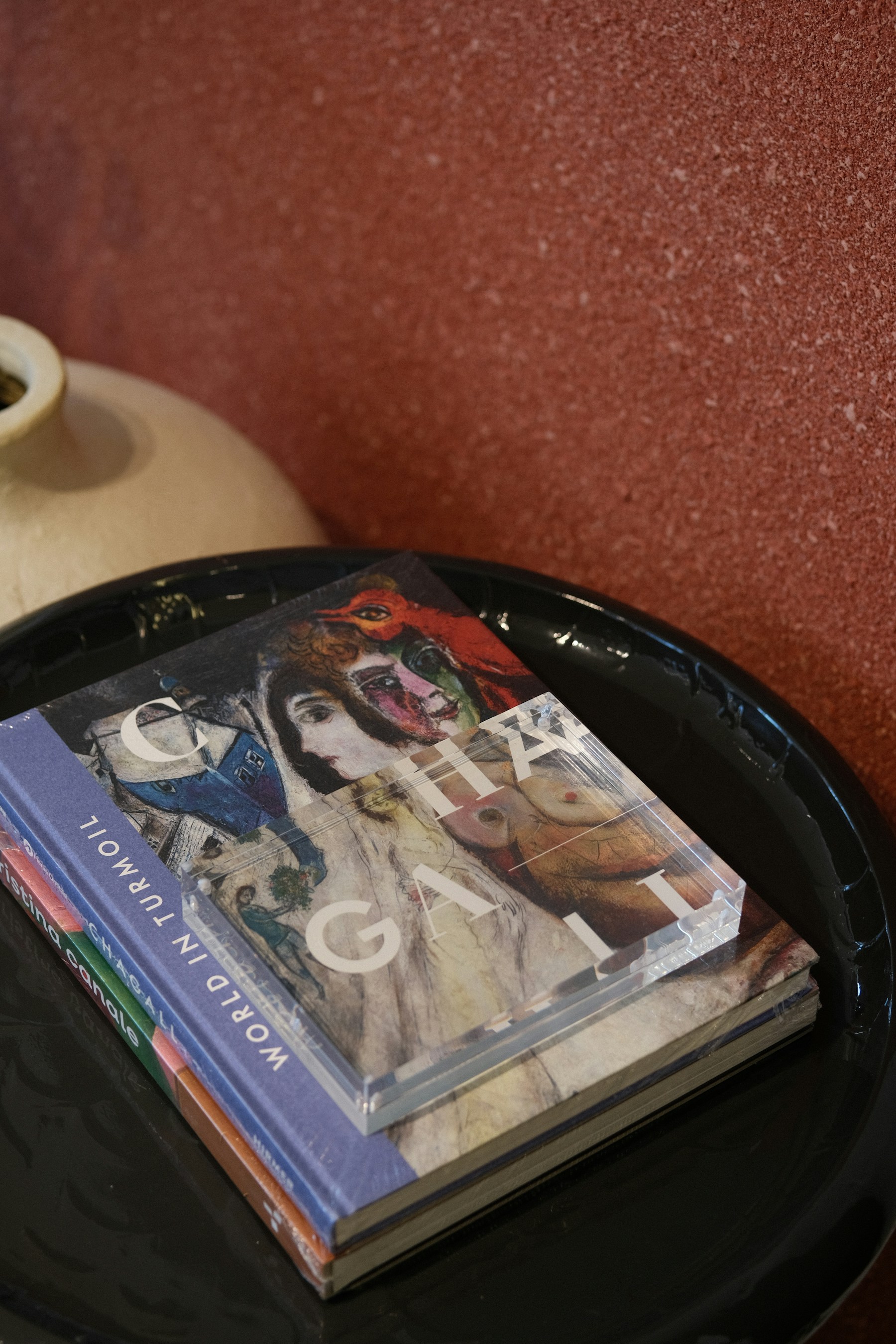
Visit a local gallery, browse a design book, or pay closer attention to signs and shop windows on a familiar street. Save ideas with a note about what caught your eye. Over time, those observations can help you understand your own taste.
Let taste develop
You do not need to assemble a complete aesthetic at once. Living with a few things you enjoy gives you time to learn what you value. Choose the next object because it adds something useful or meaningful to your day.
Keep the reference specific
When you save a photograph or an idea, write down what attracted you. A warm wood surface, an unusual handle, or the contrast between a heavy object and a light one is more useful than simply labeling the image beautiful. Those details create a vocabulary you can return to. They also help you tell whether you like an object itself or the way it has been arranged for the photograph.
Let usefulness join the conversation
An object can be pleasing to look at and still be awkward to use. Imagine its place in your actual day before bringing it home. Where will it sit, how will you care for it, and what does it add? You may choose something purely for visual pleasure, but naming that purpose helps make the decision clearer. Taste becomes more personal when appearance and everyday experience both have room in the choice.
Look closely at one familiar object
Take a mug or lamp you use often and describe three specific details you enjoy. Then name one detail that makes it easier or harder to use. Keep that note for your next purchase. Learning to describe a preference gives you something more useful than another image labeled beautiful.
Published by Spee24. Our editorial approach.
Explore Culture